Published on February 3, 2026
Comprehensive Mental Health Resources for Veterans: A Guide to Support and Recovery
An in-depth exploration of mental health resources available to veterans, including PTSD treatment programs, crisis intervention services, and peer support networks that are transforming lives across the nation.
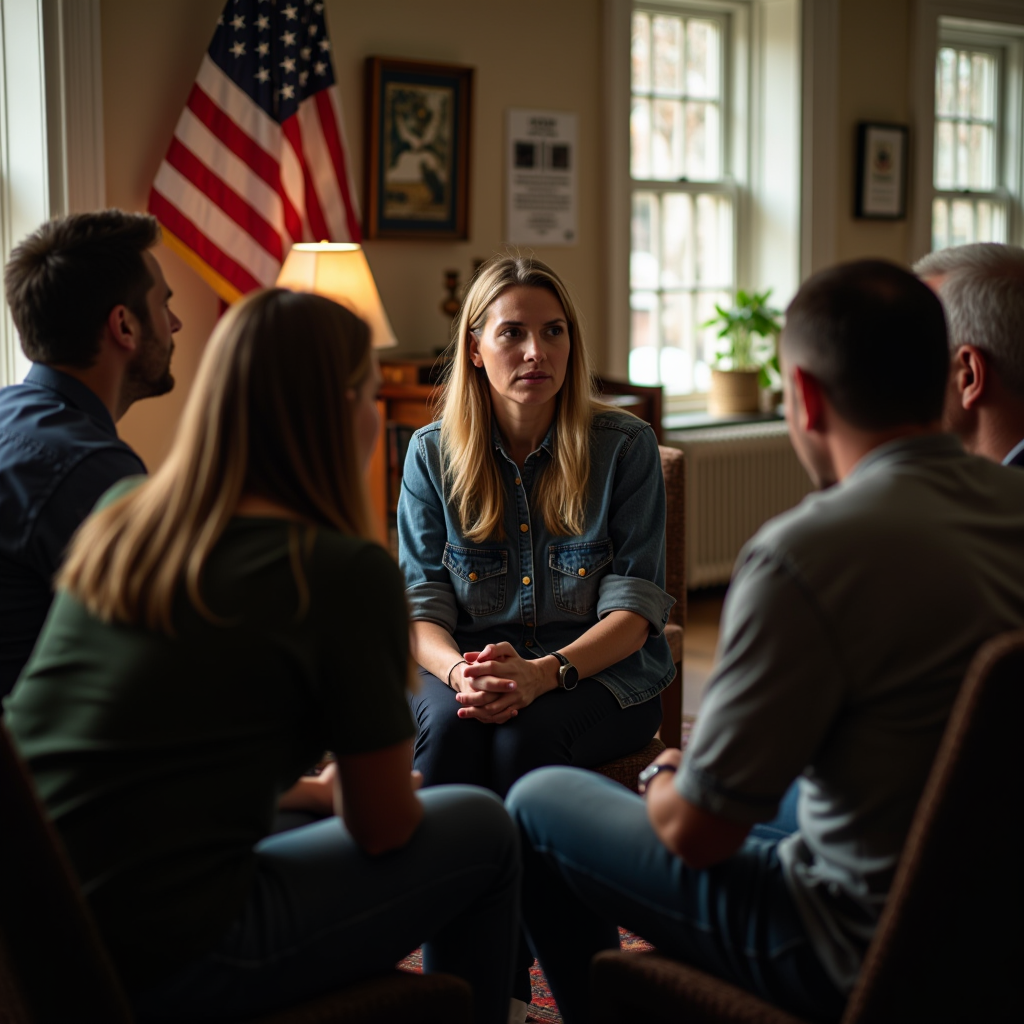
The transition from military to civilian life presents unique challenges for veterans, and mental health concerns remain one of the most significant obstacles many face. Whether dealing with post-traumatic stress disorder (PTSD), depression, anxiety, or the complex emotions surrounding readjustment, veterans deserve access to comprehensive, specialized care that understands their unique experiences. Fortunately, a robust network of mental health resources has emerged across the United States, offering hope, healing, and pathways to recovery for those who have served our nation.
This comprehensive guide explores the landscape of mental health support available to veterans, from evidence-based treatment programs to innovative peer support networks. We'll examine the various resources at your disposal, share inspiring testimonials from veterans who have successfully navigated their mental health journeys, and provide practical guidance on accessing these life-changing services. Whether you're a veteran seeking help, a family member supporting a loved one, or a community member wanting to understand available resources, this article offers valuable insights into the mental health assistance programs transforming veterans' lives.
Understanding the Unique Mental Health Challenges Veterans Face
Veterans experience mental health challenges at rates significantly higher than the general population, a reality rooted in the intense and often traumatic experiences inherent to military service. Combat exposure, witnessing casualties, extended deployments, and the constant state of hypervigilance required in conflict zones can leave lasting psychological impacts. According to recent data from the Department of Veterans Affairs, approximately 11-20% of veterans who served in Operations Iraqi Freedom and Enduring Freedom experience PTSD in a given year, while depression and anxiety disorders affect millions more across all service eras.
Beyond combat-related trauma, veterans face additional stressors during the transition to civilian life. The loss of military structure and camaraderie, difficulties finding meaningful employment, relationship challenges, and feelings of disconnection from civilian society can compound existing mental health concerns. Many veterans report feeling misunderstood by those who haven't served, creating a sense of isolation that can exacerbate symptoms and delay help-seeking behavior. The military culture's traditional emphasis on strength and self-reliance can also create barriers to seeking mental health support, with some veterans viewing it as a sign of weakness rather than a courageous step toward healing.
Traumatic brain injuries (TBI), often called the "signature wound" of recent conflicts, frequently co-occur with mental health conditions, creating complex treatment needs. The invisible nature of both TBI and mental health conditions can make it difficult for veterans to recognize their own symptoms or for others to understand the severity of their struggles. Additionally, substance use disorders often develop as veterans attempt to self-medicate symptoms of PTSD, depression, or chronic pain, creating interconnected challenges that require integrated treatment approaches.
Understanding these unique challenges is the first step toward effective intervention. The good news is that mental health conditions are treatable, and with proper support, veterans can achieve significant improvement in their symptoms and quality of life. Recognition of these specific needs has driven the development of specialized treatment programs and support services designed specifically for the veteran population, incorporating military cultural competence and evidence-based practices proven effective for service-related mental health conditions.
Evidence-Based PTSD Treatment Programs: Pathways to Recovery
Post-traumatic stress disorder remains one of the most prevalent mental health conditions affecting veterans, but advances in treatment have created multiple effective pathways to recovery. The Department of Veterans Affairs offers several evidence-based psychotherapy approaches specifically designed for PTSD, with research demonstrating significant symptom reduction for the majority of veterans who complete treatment. These programs are available through VA medical centers, community-based outpatient clinics, and increasingly through telehealth platforms that expand access to rural and underserved areas.
Prolonged Exposure (PE) therapy stands as one of the most rigorously tested treatments for PTSD. This approach helps veterans gradually confront trauma-related memories, feelings, and situations they've been avoiding. Through repeated, controlled exposure in a safe therapeutic environment, veterans learn that trauma-related memories and cues are not dangerous and that their anxiety decreases over time. PE typically involves 8-15 weekly sessions and has shown remarkable effectiveness, with many veterans experiencing substantial reduction in PTSD symptoms, depression, and anxiety. The therapy empowers veterans to reclaim activities and situations they've been avoiding, significantly improving quality of life.
Cognitive Processing Therapy (CPT) offers another powerful treatment option, focusing on how veterans think about their trauma and its aftermath. Many veterans develop "stuck points"—problematic beliefs about the trauma, themselves, or the world that maintain PTSD symptoms. CPT helps veterans identify and challenge these unhelpful thoughts, developing more balanced and accurate perspectives. This 12-session protocol has demonstrated strong effectiveness across diverse veteran populations and trauma types. Veterans learn skills they can continue using long after treatment ends, providing lasting tools for managing difficult thoughts and emotions.
Eye Movement Desensitization and Reprocessing (EMDR) therapy represents an innovative approach that helps veterans process traumatic memories through bilateral stimulation—typically eye movements guided by the therapist. While the exact mechanisms remain under study, EMDR has shown effectiveness comparable to other evidence-based treatments, often requiring fewer sessions. Some veterans who struggle with traditional talk therapy find EMDR more accessible, as it requires less detailed verbal description of traumatic events. The VA has increasingly incorporated EMDR into its treatment offerings, training clinicians across the system in this modality.
Beyond these primary psychotherapy approaches, the VA offers specialized intensive treatment programs for veterans with severe PTSD or those who haven't responded to outpatient treatment. These programs provide concentrated treatment over several weeks, combining multiple therapeutic approaches with peer support and skills training. Residential PTSD programs offer immersive treatment environments where veterans can focus entirely on recovery, while partial hospitalization programs provide intensive daily treatment while allowing veterans to return home each evening. These programs have demonstrated remarkable success rates, offering hope even for veterans with long-standing, severe symptoms.
Crisis Intervention Services: Immediate Support When You Need It Most
Mental health crises can occur suddenly and require immediate intervention to ensure safety and prevent tragedy. Recognizing this critical need, multiple crisis intervention services have been established specifically for veterans, providing 24/7 access to trained professionals who understand military culture and service-related mental health challenges. These services represent a vital safety net, ensuring that no veteran faces a crisis alone and that help is always just a phone call, text, or click away.
The Veterans Crisis Line (dial 988 then press 1) serves as the cornerstone of crisis intervention services for veterans. This confidential, toll-free hotline connects veterans in crisis—and their families and friends—with qualified, caring VA responders through phone, text, or online chat. Available 24 hours a day, 365 days a year, the Crisis Line has answered millions of calls since its inception, providing immediate support and connecting veterans with local VA resources. Responders receive specialized training in military culture and veteran-specific issues, enabling them to quickly establish rapport and provide effective intervention. Many veterans credit the Crisis Line with saving their lives during their darkest moments.
For veterans who prefer text-based communication, the Crisis Line offers text messaging support by sending a text message to 838255. This option has proven particularly popular with younger veterans and those who find it easier to express themselves through writing rather than speaking. The text service provides the same level of professional support as phone calls, with trained responders engaging in real-time conversations to assess risk, provide emotional support, and connect veterans with appropriate resources. The anonymity and convenience of texting has helped reach veterans who might not otherwise seek help during a crisis.
Online chat support through the Veterans Crisis Line website offers another accessible option, particularly valuable for veterans in situations where phone calls might not be private or practical. The chat interface connects veterans with crisis responders who can provide immediate support, safety planning, and resource referrals. This platform has expanded access for veterans with hearing impairments, those in environments where phone conversations aren't possible, and individuals who simply feel more comfortable with written communication. The chat service maintains the same standards of confidentiality and professional support as other Crisis Line modalities.
Beyond the Veterans Crisis Line, many communities have established veteran-specific crisis response teams that can provide in-person intervention when needed. These teams typically include mental health professionals, peer support specialists with military experience, and sometimes law enforcement officers with specialized training in veteran issues. Mobile crisis teams can respond to homes, hospitals, or other locations, providing assessment, de-escalation, and connection to appropriate treatment resources. Some VA medical centers have also established crisis stabilization units—short-term residential programs where veterans in acute crisis can receive intensive support in a safe environment while longer-term treatment plans are developed.
The Power of Peer Support: Veterans Helping Veterans Heal
While professional mental health treatment remains essential, peer support networks have emerged as a powerful complement to traditional therapy, offering unique benefits that only fellow veterans can provide. The shared experience of military service creates an immediate bond and understanding that can be difficult to replicate in other relationships. Peer support programs connect veterans with others who have faced similar challenges, creating communities of mutual support, hope, and recovery. These networks help combat the isolation many veterans feel and provide living proof that recovery is possible.
The VA's Peer Support Program employs veterans in recovery as Peer Support Specialists who work alongside clinical teams to provide support, encouragement, and practical assistance to veterans navigating mental health challenges. These specialists bring invaluable lived experience to their roles, offering hope through their own recovery journeys and helping other veterans navigate treatment systems, develop coping skills, and build meaningful connections. Peer specialists often serve as bridges between veterans and clinical providers, helping translate military culture and experiences in ways that enhance treatment effectiveness. Their presence in VA facilities and community programs has transformed the culture of care, making mental health services more accessible and veteran-friendly.
Veteran service organizations have established numerous peer support programs that operate independently of the VA system, providing additional options for veterans seeking connection and support. Organizations like Team Red, White & Blue create communities centered around physical and social activities, recognizing that fitness and fellowship can significantly impact mental health. The Mission Continues connects veterans with volunteer opportunities that provide purpose and community engagement. Wounded Warrior Project offers peer support groups, mental health programs, and connection activities specifically designed for combat-wounded veterans. These organizations understand that healing happens not just in therapy offices but through meaningful relationships and purposeful activities.
Online peer support communities have expanded access for veterans in rural areas, those with mobility limitations, or individuals who prefer the anonymity of digital platforms. Forums like RallyPoint and veteran-specific Facebook groups provide spaces where veterans can share experiences, ask questions, and offer mutual support at any time of day or night. While these online communities cannot replace professional treatment, they provide valuable supplemental support and help veterans feel less alone in their struggles. Many veterans report that online peer connections served as their first step toward seeking formal mental health treatment, with encouragement from fellow veterans helping overcome stigma and fear.
Peer support groups focused on specific issues—such as PTSD, military sexual trauma, substance use recovery, or grief—offer targeted support for veterans facing particular challenges. These groups, often facilitated by trained peer specialists or mental health professionals, provide safe spaces where veterans can share their experiences without judgment, learn from others' coping strategies, and build supportive relationships. The group format helps normalize mental health struggles and demonstrates that seeking help is a sign of strength, not weakness. Many veterans find that peer support groups become essential components of their ongoing recovery, providing accountability, encouragement, and connection long after formal treatment ends.
Stories of Hope: Veterans Who Found Their Way Forward
The most powerful testament to the effectiveness of mental health resources comes from veterans themselves—those who have walked through the darkness of mental health challenges and emerged on the other side with renewed hope and purpose. Their stories illuminate the path for others still struggling and demonstrate that recovery, while not always easy, is absolutely possible with proper support and determination.
Marine Corps veteran James Rodriguez served three tours in Iraq and returned home carrying the invisible wounds of combat. "For years, I thought I could handle it on my own," James shares. "I was drinking too much, having nightmares every night, and pushing away everyone who cared about me. My wife finally gave me an ultimatum—get help or lose my family." James entered the VA's intensive PTSD treatment program, initially skeptical but desperate. "Prolonged Exposure therapy was the hardest thing I've ever done—harder than combat in some ways because I had to face memories I'd been running from for years. But my therapist and the other veterans in the program helped me realize I wasn't weak for struggling; I was strong for facing it." Today, James works as a Peer Support Specialist, using his recovery journey to help other veterans find hope. "I'm not going to say I'm 'cured'—I still have tough days. But I have tools now, I have purpose, and I have my family back. That's everything."
Army veteran Sarah Mitchell's story highlights the importance of crisis intervention services. After a particularly difficult night, Sarah found herself in a dark place, contemplating suicide. "I didn't want to die, but I couldn't see any other way out of the pain," she recalls. "At the last moment, I remembered the Veterans Crisis Line number I'd seen on a poster at the VA. Calling that number saved my life." The crisis responder stayed on the phone with Sarah for over an hour, helping her develop a safety plan and connecting her with emergency services. "That responder treated me with such compassion and understanding. She didn't judge me; she just helped me see that I had options I couldn't see in that moment." Sarah entered treatment the next day and has since become an advocate for mental health awareness. "I want other veterans to know that reaching out in crisis isn't giving up—it's choosing to fight for your life. That's the most courageous thing you can do."
Navy veteran Marcus Thompson found healing through peer support networks after struggling with depression and isolation following his medical retirement. "I felt like I'd lost my identity when I left the Navy," Marcus explains. "I didn't know who I was without the uniform, and I couldn't relate to civilians who didn't understand military life." A fellow veteran invited Marcus to a Team Red, White & Blue event, and that connection changed everything. "Being around other veterans, doing physical activities together, and just having people who 'got it' without me having to explain—that started my healing process." Marcus eventually sought professional treatment for his depression, but he credits the peer support community with giving him the courage to take that step. "My veteran friends showed me that getting help wasn't weakness; they'd all done it themselves. Now I'm the one inviting new veterans to events, trying to pay forward what was given to me."
Air Force veteran Lisa Chen's experience with Cognitive Processing Therapy demonstrates the power of evidence-based treatment for military sexual trauma. "For fifteen years, I carried shame and self-blame about what happened to me during my service," Lisa shares. "I thought if I just didn't think about it, it would go away. But it affected every relationship, every job, every aspect of my life." When Lisa finally entered treatment, CPT helped her challenge the beliefs that had kept her stuck. "Learning that what happened wasn't my fault, that I didn't 'ask for it' or 'deserve it'—that cognitive work literally changed my brain. I could feel the weight lifting as I worked through the therapy." Lisa now volunteers with organizations supporting survivors of military sexual trauma. "I want other survivors to know that healing is possible, that you don't have to carry that burden forever. The resources are there; you just have to be brave enough to reach for them."
Taking the First Step: How to Access Mental Health Resources
Understanding available resources is only valuable if veterans know how to access them. The process of seeking mental health support can feel overwhelming, particularly for those already struggling with symptoms that affect motivation and decision-making. However, multiple entry points exist, and assistance is available to help veterans navigate the system and connect with appropriate services.
For veterans enrolled in VA healthcare, the most direct path to mental health services is through their VA medical center or community-based outpatient clinic. Veterans can request a mental health appointment through their primary care provider, contact the mental health clinic directly, or walk into any VA emergency department if experiencing a crisis. The VA has implemented same-day mental health services at many facilities, recognizing that timely access can be critical. Veterans don't need a referral to access mental health services within the VA system—they can self-refer by simply calling the mental health clinic at their local facility.
Veterans not currently enrolled in VA healthcare can still access mental health services. Eligibility for VA healthcare depends on various factors including service history, discharge status, and income level, but many veterans qualify for enrollment. The enrollment process can be completed online, by phone, or in person at any VA medical center. Additionally, some mental health services are available to veterans regardless of enrollment status, including crisis intervention through the Veterans Crisis Line and certain readjustment counseling services through Vet Centers. Combat veterans and those who experienced military sexual trauma may be eligible for free mental health care for specific conditions even without full VA enrollment.
Vet Centers, operated by the VA but separate from VA medical centers, provide readjustment counseling and outreach services to combat veterans, veterans who experienced military sexual trauma, and their families. These community-based centers offer a less clinical, more informal environment that some veterans find more comfortable than traditional medical settings. Services include individual counseling, group therapy, family counseling, and referrals to other VA and community resources. Vet Centers don't require enrollment in VA healthcare, and services are provided at no cost to eligible veterans. With over 300 locations nationwide, Vet Centers provide accessible mental health support in communities across the country.
For veterans who prefer or require care outside the VA system, several options exist. The VA's Community Care program allows eligible veterans to receive mental health services from community providers when VA facilities cannot provide timely care or when geographic distance makes VA care impractical. Many private therapists and mental health clinics offer specialized services for veterans, with some providing reduced fees or accepting VA payment. Veteran service organizations can help navigate these options and connect veterans with appropriate community resources. Additionally, many states offer veteran-specific mental health programs through their departments of veterans affairs, providing another avenue for accessing support. The key is taking that first step—reaching out for help, whether through the VA, community providers, peer support networks, or crisis services. Every journey toward healing begins with the courage to ask for support.
Moving Forward: A Message of Hope and Healing
The landscape of mental health support for veterans has evolved dramatically in recent years, driven by increased awareness, improved research, and the courageous advocacy of veterans themselves. Today's veterans have access to evidence-based treatments proven effective for service-related mental health conditions, crisis intervention services available 24/7, and peer support networks that provide community and hope. While challenges remain—including stigma, access barriers in rural areas, and the need for continued funding and expansion of services—the resources available today offer genuine pathways to recovery and improved quality of life.
Mental health challenges are not signs of weakness; they are normal human responses to abnormal and traumatic experiences. The courage demonstrated in combat or during military service is the same courage required to face mental health challenges and seek support. Every veteran who reaches out for help, who shows up for therapy appointments, who calls the crisis line during a difficult moment, or who shares their story to help others—these are acts of bravery that deserve recognition and respect.
For veterans currently struggling, please know that you are not alone and that help is available. The resources described in this article—PTSD treatment programs, crisis intervention services, peer support networks, and more—exist because your wellbeing matters. Your service to our nation created a debt that can never be fully repaid, but ensuring access to quality mental health care is one way we can honor that service. Recovery is possible, healing happens, and countless veterans have walked the path before you and emerged stronger on the other side.
For family members and friends of veterans, your support plays a crucial role in recovery. Educating yourself about mental health challenges, encouraging your loved one to seek help, and being patient through the healing process can make an enormous difference. Remember that you don't have to navigate this alone either—many resources exist specifically for families, including counseling services, support groups, and educational programs. Taking care of your own mental health enables you to better support your veteran loved one.
The stories shared in this article represent just a fraction of the veterans who have found hope and healing through mental health resources. Each story reminds us that recovery is not a straight line—it involves setbacks and challenges—but with proper support, determination, and time, meaningful improvement is achievable. The veterans who have successfully navigated their mental health journeys want others to know: reaching out for help is not the end of your story; it's the beginning of a new chapter.
If you or a veteran you know is in crisis, please reach out immediately to the Veterans Crisis Line by dialing 988 and pressing 1, texting 838255, or chatting online at VeteransCrisisLine.net. For non-crisis mental health support, contact your local VA medical center, visit a Vet Center, or connect with veteran service organizations in your community. The path to healing begins with a single step—and that step is always worth taking. Your service mattered, your life matters, and your recovery matters. Help is available, hope is real, and healing is possible.