Published on November 22, 2025
Comprehensive Guide to Housing Assistance Programs for Veterans
Every veteran deserves a safe and stable place to call home. This comprehensive guide explores the various housing assistance programs available to veterans, from VA home loans to emergency shelter resources, helping those who served our country find the support they need.
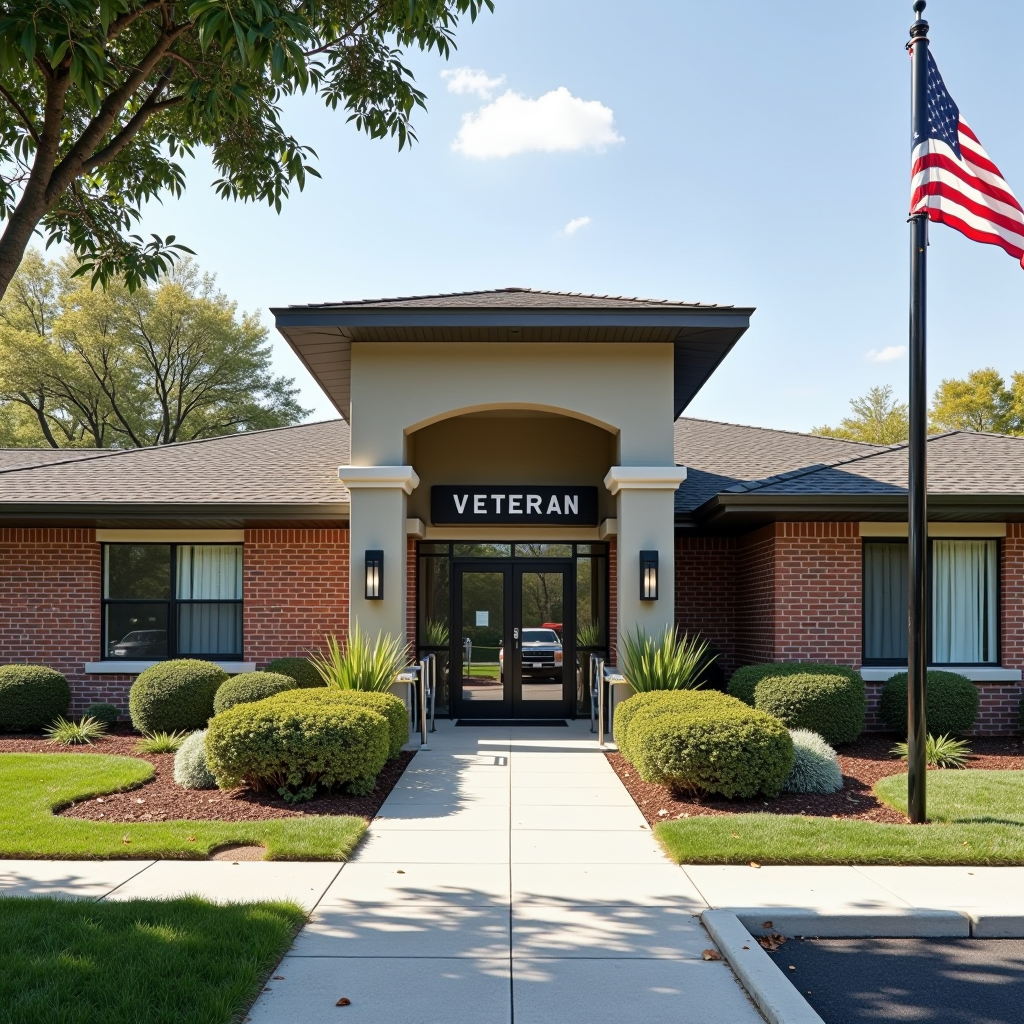
Housing insecurity remains one of the most pressing challenges facing veterans today. Despite their service and sacrifice, many veterans struggle to find and maintain stable housing due to various factors including financial hardship, physical disabilities, mental health challenges, and difficulty transitioning to civilian life. Fortunately, numerous programs exist specifically designed to help veterans secure safe, affordable housing and prevent homelessness.
The Veterans Assistance Fund Inc is committed to connecting veterans with these vital resources. Understanding the landscape of available housing assistance programs is the first step toward achieving housing stability. This guide provides detailed information about the most effective programs, eligibility requirements, and how to access these critical services.
VA Home Loan Programs: The Path to Homeownership
The VA Home Loan program stands as one of the most valuable benefits available to veterans, offering a pathway to homeownership that might otherwise be out of reach. Guaranteed by the Department of Veterans Affairs, these loans provide significant advantages over conventional mortgages, making the dream of owning a home more accessible to those who have served.
One of the most significant benefits of VA home loans is the elimination of the down payment requirement for most borrowers. While conventional loans typically require 10-20% down, qualified veterans can purchase a home with zero money down, removing one of the biggest barriers to homeownership. Additionally, VA loans do not require private mortgage insurance (PMI), which can save borrowers hundreds of dollars monthly. The program also features competitive interest rates, often lower than conventional loans, and more flexible credit requirements, recognizing that veterans may have faced financial challenges during or after their service.
Eligibility for VA home loans extends to active-duty service members, veterans, National Guard and Reserve members who meet minimum service requirements, and surviving spouses of veterans who died in service or from service-connected disabilities. The program can be used to purchase single-family homes, condominiums, manufactured homes, or to refinance existing mortgages. Veterans can even use their VA loan benefit multiple times throughout their lives, making it a renewable resource for housing stability.
To access this benefit, veterans should first obtain their Certificate of Eligibility (COE) through the VA's eBenefits portal or by working with a VA-approved lender. The process involves verifying military service, assessing creditworthiness, and ensuring the property meets VA standards. Many veterans successfully navigate this process with the help of veteran service organizations and housing counselors who specialize in VA loans.
HUD-VASH: Combining Housing Vouchers with Supportive Services
The HUD-VA Supportive Housing (HUD-VASH) program represents a powerful collaboration between the Department of Housing and Urban Development and the Department of Veterans Affairs, specifically designed to combat veteran homelessness. This innovative program combines rental assistance through Housing Choice Vouchers with comprehensive case management and clinical services provided by VA medical centers.
HUD-VASH vouchers work similarly to Section 8 housing vouchers, covering a portion of the veteran's rent while they contribute approximately 30% of their income toward housing costs. What sets HUD-VASH apart is the integrated support system. Each veteran enrolled in the program is assigned a VA case manager who provides ongoing assistance with healthcare, mental health services, substance abuse treatment, employment support, and life skills training. This holistic approach addresses not just the immediate housing need but also the underlying factors that may have contributed to housing instability.
Eligibility for HUD-VASH requires that veterans be homeless or at imminent risk of homelessness and meet the clinical eligibility criteria established by the VA. Priority is given to veterans who are chronically homeless, have serious mental illness, or face significant barriers to housing stability. Veterans interested in HUD-VASH should contact their local VA medical center's homeless program coordinator or visit a VA healthcare facility to begin the application process.
The program has demonstrated remarkable success since its inception, helping tens of thousands of veterans transition from homelessness to stable housing. The combination of financial assistance and wraparound services creates a foundation for long-term housing stability, with many participants maintaining their housing for years after initial placement. The program recognizes that ending veteran homelessness requires more than just providing a roof overhead—it demands comprehensive support that addresses the complex challenges many veterans face.
Transitional Housing Options: Building Toward Independence
Transitional housing programs serve as a critical bridge between homelessness or unstable housing situations and permanent housing stability. These programs provide veterans with temporary accommodation, typically for periods ranging from several months to two years, while they work toward achieving self-sufficiency and securing permanent housing. The structured environment and comprehensive support services offered through transitional housing can be transformative for veterans facing multiple barriers to housing stability.
The VA's Grant and Per Diem (GPD) program stands as the primary federal initiative funding transitional housing for veterans. Through this program, the VA awards grants to community organizations and local governments to develop and operate transitional housing facilities. These facilities provide not just a place to stay but a comprehensive support system including case management, employment assistance, healthcare coordination, substance abuse counseling, and life skills training. The goal is to equip veterans with the tools, resources, and stability they need to successfully transition to permanent housing.
Transitional housing programs vary in their specific focus and structure. Some programs specialize in serving veterans with substance abuse issues, offering intensive treatment and recovery support. Others focus on veterans with mental health challenges, providing access to psychiatric care and therapeutic services. Still others target veterans with families, offering family-friendly accommodations and services that support the entire household. Many programs incorporate employment training and job placement services, recognizing that financial stability is essential for achieving housing independence.
Veterans can access transitional housing through various pathways. Many are referred by VA medical centers, veteran service organizations, or homeless outreach programs. Others connect with transitional housing providers directly through community resources or veteran support networks. The application process typically involves an assessment of the veteran's needs, housing history, and readiness for the program. While in transitional housing, veterans work closely with case managers to develop individualized service plans, set goals, and make steady progress toward permanent housing placement.
Emergency Shelter Resources: Immediate Support in Crisis
When veterans face immediate housing crises, emergency shelter resources provide crucial short-term support and safety. These programs offer immediate refuge for veterans experiencing homelessness or facing imminent loss of housing, providing a safe place to stay while connecting them with longer-term housing solutions and support services. Understanding available emergency resources can be lifesaving for veterans in crisis situations.
The VA operates several emergency housing programs designed specifically for veterans. The Healthcare for Homeless Veterans (HCHV) program provides outreach, case management, and residential treatment to veterans experiencing homelessness. Through HCHV, veterans can access emergency shelter beds, often located at or near VA medical centers, while receiving comprehensive health assessments and connections to ongoing care. The Supportive Services for Veteran Families (SSVF) program provides emergency financial assistance to prevent homelessness, including help with rent, utilities, security deposits, and moving costs for veterans and their families facing housing crises.
Beyond VA-specific programs, veterans can access emergency shelter through community-based organizations, many of which operate veteran-specific shelters or reserve beds specifically for veterans. These facilities often provide not just a bed but meals, showers, clothing, and immediate case management services. Many emergency shelters have established partnerships with VA medical centers and veteran service organizations, creating seamless pathways to longer-term housing assistance and support services.
Veterans in immediate need of emergency shelter should contact the National Call Center for Homeless Veterans at 1-877-424-3838, available 24/7 to provide crisis intervention, referrals to emergency shelters, and connections to VA and community resources. Local VA medical centers also maintain homeless program coordinators who can arrange emergency shelter placement. Additionally, calling 211 connects veterans to local emergency services and shelter resources in their community. Time is critical in emergency situations, and these resources exist specifically to provide immediate assistance to veterans in crisis.
Preventing Veteran Homelessness: Proactive Intervention and Support
Prevention represents the most effective strategy in addressing veteran homelessness. By identifying veterans at risk of losing their housing and providing timely intervention, we can prevent the trauma and disruption of homelessness before it occurs. Prevention programs focus on maintaining housing stability through financial assistance, case management, and connection to supportive services, recognizing that keeping veterans housed is far more effective and cost-efficient than addressing homelessness after it happens.
The Supportive Services for Veteran Families (SSVF) program serves as the cornerstone of veteran homelessness prevention efforts. This program provides rapid response to veterans and their families facing housing crises, offering financial assistance for rent arrears, utility payments, security deposits, and moving costs. Beyond financial support, SSVF case managers work intensively with at-risk veterans to address the underlying issues threatening their housing stability, whether those involve employment challenges, healthcare needs, legal issues, or family conflicts. The program's flexibility allows it to respond quickly to emerging crises, often preventing eviction or utility disconnection that could lead to homelessness.
Early identification of housing instability is crucial for effective prevention. Veterans should seek help at the first signs of housing trouble—falling behind on rent, receiving eviction notices, facing utility disconnection, or experiencing significant income loss. Waiting until a crisis becomes severe limits available options and makes stabilization more difficult. VA medical centers, veteran service organizations, and community agencies can conduct housing stability assessments and connect veterans with prevention resources before situations become critical.
Prevention also involves addressing the root causes of housing instability. Many veterans benefit from employment services that increase income stability, healthcare that addresses physical and mental health challenges affecting their ability to maintain housing, legal assistance with landlord disputes or other legal barriers, and financial counseling that builds money management skills. The Veterans Assistance Fund Inc works to connect veterans with these comprehensive services, understanding that sustainable housing stability requires addressing the whole person and their complete range of needs. By taking a proactive, holistic approach to prevention, we can significantly reduce veteran homelessness and ensure that those who served our country maintain the dignity and security of stable housing.
Success Stories: Veterans Who Found Stable Housing
Behind every statistic about veteran housing assistance lies a personal story of transformation, resilience, and hope. These success stories demonstrate the profound impact that housing assistance programs can have on veterans' lives, illustrating how the right support at the right time can change everything. While each veteran's journey is unique, common threads of determination, community support, and effective programs weave through these narratives of recovery and stability.
James, a Marine Corps veteran who served two tours in Afghanistan, found himself homeless after struggling with PTSD and substance abuse following his discharge. Living in his car and disconnected from family, James reached a breaking point when he sought help at a VA medical center. Through the HUD-VASH program, James received a housing voucher and was connected with a case manager who helped him find an apartment and access mental health treatment. Today, three years later, James maintains stable housing, works full-time as a warehouse supervisor, and volunteers with a veteran peer support group, helping other veterans navigate their own housing challenges. His story exemplifies how integrated housing and healthcare support can transform lives.
Maria, an Army veteran and single mother of two, faced eviction after losing her job during the pandemic. With nowhere to turn and her children's stability at stake, Maria contacted a local veteran service organization that connected her with the SSVF program. The program provided emergency rental assistance to prevent eviction, helped Maria find new employment, and offered ongoing case management support. Within six months, Maria had stabilized her finances and secured permanent housing. She later used her VA home loan benefit to purchase her first home, creating lasting security for her family. Maria's experience demonstrates the power of prevention programs and how timely intervention can keep families housed and thriving.
Robert, a Navy veteran who experienced chronic homelessness for over five years, cycled through emergency shelters and street living while battling severe depression and physical disabilities from his service. His breakthrough came when he entered a transitional housing program funded through the VA's Grant and Per Diem initiative. The structured environment, combined with intensive case management and healthcare coordination, provided Robert with the stability he needed to address his health challenges and work toward independence. After 18 months in transitional housing, Robert moved into his own apartment with continued support from VA services. He now maintains stable housing, manages his health conditions effectively, and has reconnected with his adult children. Robert's journey illustrates how transitional housing can provide the foundation for long-term stability, even for veterans facing significant barriers.
These stories represent thousands of veterans across the country who have successfully secured stable housing through assistance programs. They remind us that homelessness is not a permanent condition but a solvable problem when veterans receive appropriate support. Each success story reinforces the importance of maintaining and expanding housing assistance programs, ensuring that every veteran has access to the resources they need to achieve housing stability. The Veterans Assistance Fund Inc remains committed to supporting these programs and connecting veterans with the assistance that can transform their lives, just as it did for James, Maria, Robert, and countless others.
Taking the Next Step Toward Housing Stability
Housing stability is not just about having a roof over one's head—it's about dignity, security, and the foundation for rebuilding one's life. For veterans who have given so much in service to our country, access to safe and stable housing should be a guarantee, not a privilege. The programs outlined in this guide represent a comprehensive network of support designed specifically to help veterans achieve and maintain housing stability, whether through homeownership, rental assistance, transitional housing, or emergency shelter.
If you are a veteran facing housing challenges, know that help is available and you do not have to navigate this journey alone. Whether you're at risk of losing your housing, currently experiencing homelessness, or ready to pursue homeownership, programs exist specifically to support you. The first step is reaching out—contact your local VA medical center, connect with veteran service organizations in your community, or call the National Call Center for Homeless Veterans at 1-877-424-3838. These resources exist because of your service, and accessing them is not a sign of weakness but an act of courage and self-advocacy.
The Veterans Assistance Fund Inc stands ready to support veterans in their journey toward housing stability. We believe that every veteran deserves a safe place to call home, and we work tirelessly to connect veterans with the programs, resources, and support they need to achieve this fundamental right. Together, through comprehensive housing assistance programs and a commitment to serving those who served, we can end veteran homelessness and ensure that every veteran has the opportunity to thrive in stable, secure housing. Your service to our country has earned you this support—now it's time to take advantage of the resources available and build the stable future you deserve.